
Make your picks. Beat the host.

Take on Chuck in quick sports prediction challenges.

Play at beatchuck.com
TPI, Titleist and Shawn Clement put movement before swing positions cover
Back to Beat Chuck Newsroom

TPI, Titleist and Shawn Clement put movement before swing positions

Three new instruction clips connect a freer turn, an early pressure shift and a throwing motion.

Share this article

FacebookLinkedInXEmail
  • Three new golf instruction clips start with movement: Greg Rose asks golfers to allow enough turn to create speed, Joe Plecker shows a small pressure shift that starts the backswing, and Shawn Clement uses a throwing motion to explain how the elbow can lead.

    The clips, published October 2 by TPI, Titleist and Clement’s Wisdom in Golf channel, offer different ways to think about a swing that feels stuck. Each coach explains a specific part of the motion rather than supplying a complete swing rebuild.

    Give the turn room

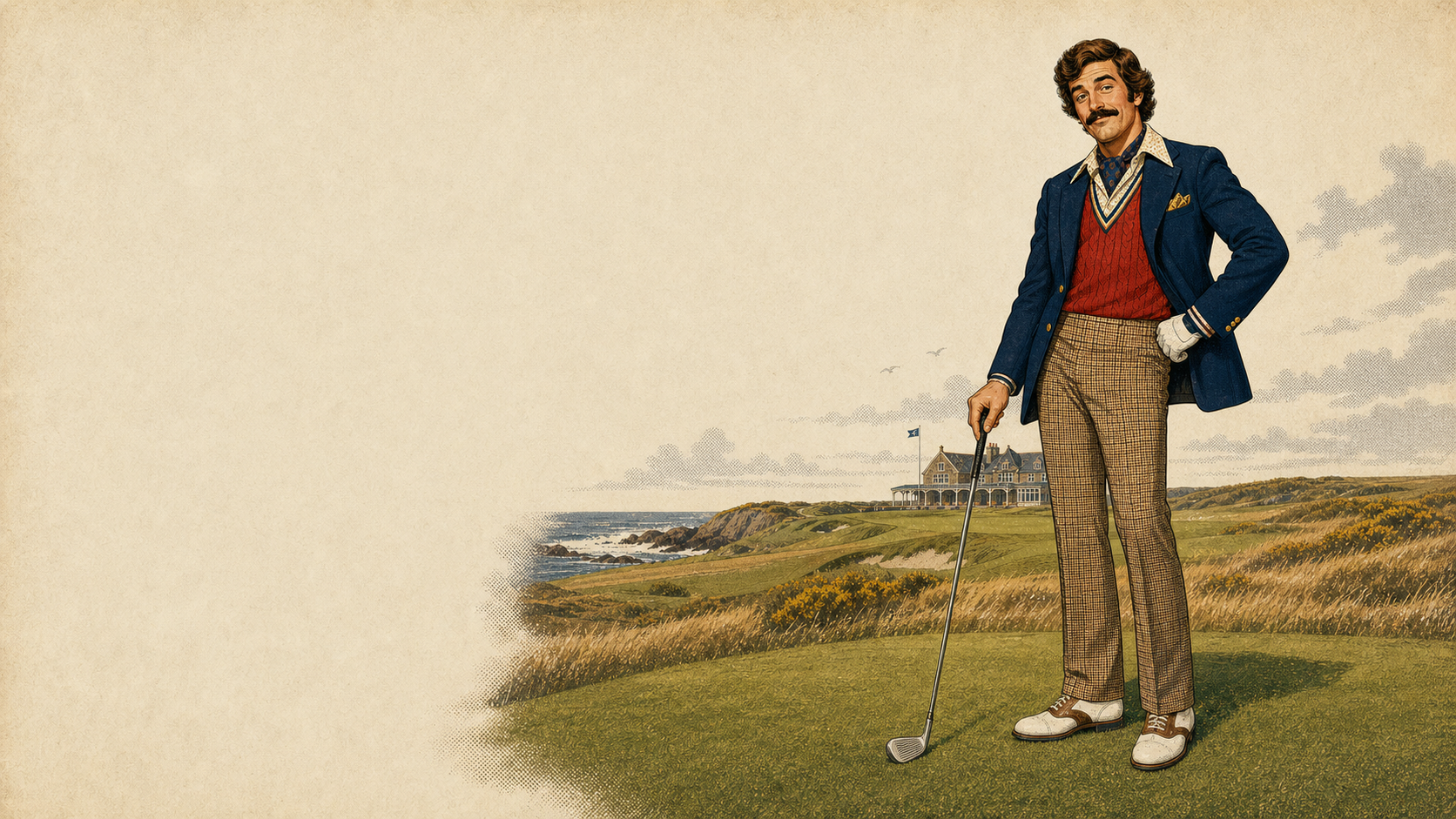
    At the Titleist Performance Institute lab, Rose connects mobility with the opportunity to apply force over a longer backswing and hand path. His example comes from instructor Peter Kostis: older golfers played in restrictive three-piece suits, while modern players wear fabrics that let them turn more freely.

  • Make your call with Beat Chuck

    Check the challenge board for the latest open games.

    All Beat Chuck games →
    Golf Chuck
  • Rose applies that comparison to the average golfer’s available movement. He argues that a player who already struggles to turn may find more freedom by allowing the lead heel to rise or changing foot orientation. Those are Rose’s coaching suggestions; the clip does not measure a particular golfer’s speed gain.

  • Start with pressure

    Titleist staff member Plecker moves the explanation to the start of the swing. He describes a slight pressure shift toward the target, followed by pressure into the trail foot. He calls that opening movement a jog into loading.

    Plecker compares it with preparing to throw a ball hard: load over the trail foot before rotating the upper body back. In his explanation, turning the club or spinning the pelvis is not the first action. The small shift gives the next movement somewhere to go.

  • Use the throw as a picture

    Clement’s short clip supplies another throwing analogy. He shows the elbow leading during a throw and a stone-skipping motion, then relates that sequence to the club settling into place.

    That makes the elbow part of an action, rather than an isolated position to hold. For golfers reviewing their own motion, the three videos offer separate reference points: how much turn is available, how pressure starts the backswing, and how a throw illustrates sequencing.